H-Studio logo
Start a project
H-Studio Berlin

Analytics and Reporting Systems for B2B Products and Operations

We design reliable reporting across product, CRM, payment and operational data — with clear metric definitions, source-of-truth decisions, reconciliation logic and dashboards your team can use for real decisions. Reporting reliability first; enterprise data engineering only where the scope genuinely requires it. Infrastructure region and consent requirements are assessed per project.

Where reporting goes wrong

Most reporting problems start before the dashboard

Different teams often calculate the same metric differently. Sales may report revenue from CRM stages, finance from invoices or payments, and product from application usage. Before building dashboards, we define which system is authoritative for each important metric, how mismatches are surfaced and who owns future definition changes. The result is reporting that is easier to explain, maintain and use in decisions.

  • Source-of-truth decision for each critical metric
  • Documented metric definitions and change history
  • Validation or reconciliation checks where systems can disagree
  • Clear ownership across product, sales, marketing, operations or finance
01  ·  What we build

What we build

01

Metric definitions and event tracking

Tracking plans for websites, SaaS products, portals and operational systems. · Sign-up, onboarding, feature-usage and conversion events where relevant · Clear naming rules and event documentation · Source and campaign fields where consent and technical setup permit them

02

Reporting data flows and reconciliation

Connections between product data, CRM, payment systems and operational sources. · Mapping and validation rules · Scheduled synchronisation where needed · Reconciliation checks that surface mismatches instead of hiding them

03

Reporting data model and storage

A reporting structure matched to the scope and team ownership. · PostgreSQL-based reporting where sufficient · Dedicated analytical storage only where data volume, query patterns or operational needs justify it · Clear definitions for derived metrics and reporting tables

04

Dashboards and recurring reporting

Dashboards for product, sales, operations or management questions. · Activation, usage, lead-quality, revenue or workflow reporting where applicable · Scheduled summaries and threshold-based alerts only where the underlying data is reliable enough

05

Access, documentation and handover

So the reporting setup can continue evolving without undocumented logic. · Dashboard and dataset access rules · Metric ownership and tracking/pipeline documentation · Validation-job visibility · Retention and consent requirements mapped where relevant

Typical analytics foundation

A reporting stack matched to the work, not a tool catalogue

Data sources
  • Product database
  • CRM
  • Payment provider
  • Website or product events
  • Operational systems
Reporting setup
  • PostgreSQL-based reporting where sufficient
  • Analytical storage where justified
  • Dashboard layer selected for actual reporting needs
Quality and ownership
  • Metric definitions
  • Validation checks
  • Access rules
  • Documentation
  • Consent and retention requirements where relevant

PostgreSQL-based reporting is often sufficient for focused product and operational reporting. Dedicated analytical storage becomes relevant when event volume, query patterns, reporting latency or data-source complexity justify it.

Process

How analytics delivery works

  1. 01

    Reporting audit and metric mapping

    We review current reports, tracking, CRM, product data, payment sources and the business questions the reporting needs to answer.

  2. 02

    Source-of-truth and reporting design

    We define metric ownership, event requirements, data-flow logic, validation checks and the dashboards or reporting outputs required.

  3. 03

    Implementation

    We implement agreed tracking, data connections, reporting models and dashboards.

  4. 04

    Validation and visibility

    We test important metric flows, surface data mismatches and add monitoring for reporting jobs where required.

  5. 05

    Documentation and handover

    Metric definitions, tracking logic, reporting data flows and ownership are documented so the setup can evolve after launch.

When this fits

This service fits when

  • important metrics differ between CRM, product, payment or operational reports
  • dashboards exist, but nobody fully trusts the numbers behind them
  • product events or lead sources are inconsistent, missing or undocumented
  • reporting depends on manual spreadsheet reconciliation
  • management needs shared reporting logic across sales, product or operations
  • your team needs better reporting reliability before adding more automation or advanced analysis

For CRM routing and sales-process automation, see CRM Integration. For internal operational interfaces and workflow systems, see Internal Tools. This page focuses on reporting logic, metric ownership and connected analytics.

Selected analytics and reporting work

Where metric ownership and reporting shaped the build

Selected projects where connected data and reporting structure defined the work.

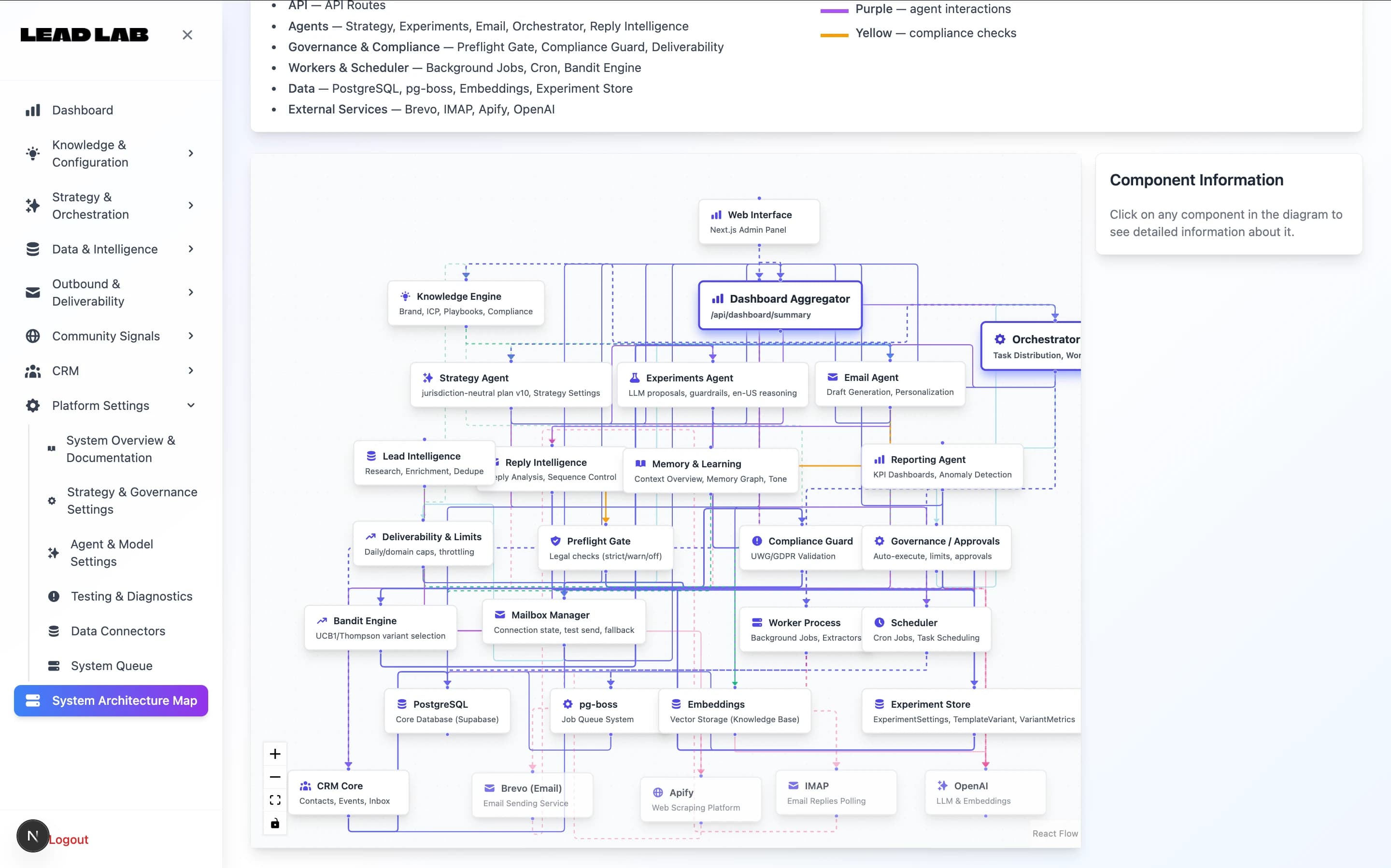
Lead Lab  -  B2B Revenue Operations Platform with Automation & Intelligence FeaturesStartup Engineering

Lead Lab - B2B Revenue Operations Platform with Automation & Intelligence Features

  • Starting point

    Revenue operations relied on multiple sources and manual reporting, making pipeline visibility and operational analysis difficult to maintain.

  • What we did

    Built a revenue-operations platform with a unified reporting layer, structured CRM-centred workflows and selected assisted analysis features under human review.

  • Outcome

    Reporting and operational workflows were consolidated into a more traceable system.

Read full case
Vulken FMEnterprise-Grade Foundations

Vulken FM

  • Starting point

    Field inspection and asset workflows required structured data capture and consistent reporting across mobile and web interfaces.

  • What we did

    Built a system architecture for QR-based inspections, offline data capture, compliance logic and report generation.

  • Outcome

    Inspection and asset data became structured for operational reporting and continued workflow use.

Read full case
Privacy & data location

Consent, data location and reporting completeness

Consent choices, browser restrictions and incomplete source data can leave analytics and attribution reports partial. Where tracking or user-level analytics are part of the scope, we map the selected consent setup, retention requirements, data access and infrastructure-region needs before implementation. Google's Consent Mode adjusts tag behaviour based on the consent choices transmitted by the site; it does not replace the process of collecting and managing consent.

  • Server-side event handling may improve control or reliability in some setups, but it is not a consent workaround
  • Missing or unknown attribution should remain visible in reporting rather than being presented as certainty
  • Infrastructure-region choices are made per data type, provider configuration and project requirements
  • Tracking and analytics are designed around applicable privacy and consent requirements in Germany and the EU, including the German TDDDG
  • Legal assessment of consent language, retention policy and regulatory obligations remains with the client and its advisers where required
When this is not the right service

Where we redirect rather than take the project

  • Basic analytics tag setup

    If you only need basic analytics tag installation or a simple existing-tool configuration, a specialised analytics freelancer may be the more efficient fit.

  • Enterprise data-platform procurement

    If you need enterprise-scale warehouse transformation or specialised data-platform procurement, a dedicated data-engineering consultancy may be more appropriate.

  • Real-time streaming or predictive modelling

    If you need real-time streaming architecture or custom predictive modelling, that requires specialist scope beyond this reporting and analytics service.

  • CRM, operations or product builds

    If the actual problem is CRM routing, operational software or a product platform build, we will redirect you to the more relevant service rather than forcing the work into an analytics engagement.

FAQ

Common questions

  1. Not always. For focused product and operational reporting, a well-structured PostgreSQL setup is often sufficient. A dedicated analytical store becomes relevant when event volume, query patterns, reporting latency or the number of connected data sources justify it. We decide this per project rather than by default.

  2. Yes. A common starting point is reviewing what is currently tracked, identifying gaps, duplicates and misleading definitions, and proposing either a fix-in-place or a clean restructure depending on how reliable the current setup is.

  3. Yes, where API access and project scope allow it. The important step is deciding which system is authoritative for each metric before building dashboards, then adding mapping and reconciliation so mismatches stay visible.

  4. We look at where each metric is actually created and maintained — for example revenue may live in invoices or a payment system rather than CRM stages. We document the decision, the definition and who owns future changes, so reporting stays explainable.

  5. Both. We can build reporting in an existing BI tool where that is the most maintainable option, or build custom dashboards where the reporting needs to be part of the product or internal platform. The choice depends on who will own and extend it.

  6. Where tracking or user-level analytics are in scope, we map the selected consent setup, retention rules and infrastructure-region needs before implementation, in line with applicable privacy requirements in Germany and the EU. Legal assessment of consent language and obligations stays with the client and its advisers.

  7. CRM Integration covers routing and sales-process automation; Internal Tools covers operational interfaces and workflow systems. This service focuses on reporting logic, metric ownership and connected analytics. Some engagements touch more than one area.

  8. Metric definitions, tracking logic, reporting data flows, access rules and validation-job visibility are documented so the reporting setup can continue evolving without undocumented logic.

Next step

Need reporting your team can explain and trust?

We can map metric ownership, current data sources, reporting gaps and the right dashboard or data-flow scope before implementation begins.

Discuss your reporting setup