
H-Studio logo
Start a project

Custom software development for workflows off-the-shelf tools cannot model

Architecture-first custom platforms, internal systems and business applications for teams that need owned software, deep integrations and long-term maintainability — when SaaS, templates and no-code no longer fit the process.

01  ·  What we build

What a custom platform usually includes

A custom platform is broader than an internal tool: it can combine customer-facing experiences, operational workflows, partner access, document logic, integrations and internal administration in one owned product system. Not every project needs every block — scope is set during the architecture sprint.

  • 01Role-based user accounts — clients, partners, vendors, staff, admins, each with the right visibility and actions
  • 02Admin dashboard and operator surfaces — queues, approvals, status changes, exports, audit views
  • 03Workflow logic — approval chains, routing rules, status transitions, notifications, background jobs
  • 04Integrations with CRM, ERP, payment, email, document tools and internal databases — with clear system boundaries, synchronisation rules and ownership of critical data
  • 05Document or data flows — generation, validation, version control, structured exports
  • 06Audit logs and permission model — who did what, when, why, with role-aware access throughout
  • 07Reporting and analytics — operational KPIs, finance views, exports, dashboards for the team running the system
  • 08Deployment, monitoring and handover — documented environments, release process, monitoring setup and infrastructure choices aligned with data and operational requirements
02  ·  Where standard software starts failing

The point at which off-the-shelf tools stop holding the process

Four signals that a configured tool has reached its limit and the workflow now needs owned software.

  1. The workflow depends on exceptionsThe business no longer follows one clean template: approvals, permissions, statuses and edge cases have become part of daily operations.
  2. Teams maintain the same truth in several toolsCRM, spreadsheets, email, documents and accounting workflows drift apart, creating manual reconciliation and unreliable reporting.
  3. External users need controlled accessCustomers, partners or vendors need their own interface, actions and visibility — not internal-tool access or emailed files.
  4. The logic is becoming business-criticalWhen a process affects revenue, service delivery, compliance or customer experience, workarounds become more expensive than owning the system.
03  ·  Should you build custom software at all?

Custom software, or a configured tool?

Custom software is justified when the workflow itself matters to how the business operates, serves customers or stays ahead of competitors. When a configured tool is the better answer, we say so before proposing a build.

01

Choose custom software when

  • Your process includes roles, approvals, exceptions or document logic that standard SaaS cannot model cleanly
  • Several tools need to behave as one operational system
  • Customers, partners or staff need different controlled interfaces
  • Manual workarounds are already slowing delivery, reporting or compliance
  • Ownership of the software and integration logic matters long term
02

Choose configured SaaS when

  • The workflow is standard and the edge cases are not business-critical
  • Existing tools cover the process without major workarounds
  • Speed of setup matters more than ownership of custom logic
  • No part of the process is a real competitive differentiator
04  ·  How we deliver the platform

How custom platform delivery works

  1. Step 01

    Workflow and system mapping

    We map users, roles, current tools, manual workarounds, data ownership and integration constraints before defining the platform boundary.

  2. Step 02

    Architecture and delivery scope

    Core workflows, permissions, data model, integrations, operational risks and delivery phases are documented before build starts.

  3. Step 03

    Platform development and integrations

    Product surfaces, admin operations, workflow logic and external integrations are built as one controlled system.

  4. Step 04

    Launch, handover and continued development

    Deployment, monitoring, documentation and operating responsibilities are prepared for your team, our ongoing support or a future technical partner.

05  ·  Where this service fits

The right fit when the product crosses system boundaries

  • Customers, partners and internal teams working through different, controlled interfaces
  • Document, approval or transaction workflows that cannot live reliably in spreadsheets or disconnected tools
  • Public-facing product surfaces connected to admin operations and external integrations
  • Domain-specific logic that is too important to force into a generic SaaS configuration
Optional

Optional assisted features

Where they remove repetitive manual work, a platform can include document extraction, assisted search or in-app summarisation — with source visibility and human review on sensitive decisions. AI stays a feature inside the system, not a separate product promise. Provider-neutral, GDPR-aware, EU-hosting options where relevant.

Note · Cases

Cases shown below are platform builds that span multiple specialised pages — operational systems that touch business workflows, document logic and customer-facing surfaces at the same time. Where a case fits a specific industry cleanly, the deeper page (Mittelstand Modernisation, PropTech, etc.) has more relevant context.

Featured cases

Platforms built around real business workflows

Full case library
  1. 01Vulken FMEnterprise-Grade FoundationsVulken FMFacilities management platform for mobile inspections, asset records, compliance checks, and internal operational reporting — combining a field app with a web-based admin system.Read plate
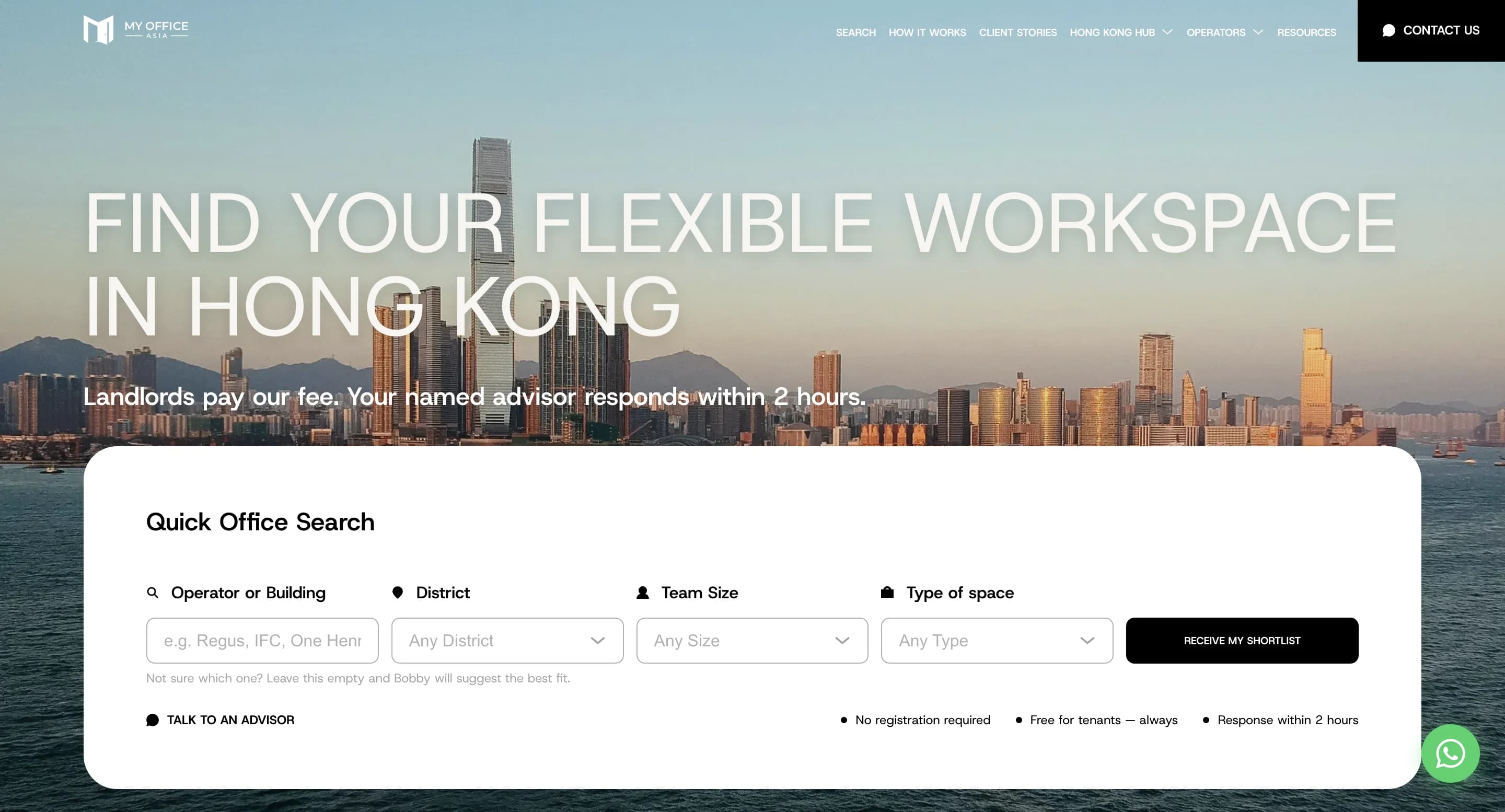
  2. 02My Office Asia  -  Flex Workspace Brokerage with Admin CMSDigital Experience & Brand SystemsMy Office Asia - Flex Workspace Brokerage with Admin CMSBrokerage platform for Hong Kong's flex-office market with editorial catalogue, advisor positioning, white-label-ready architecture and a custom admin with AI-assisted editorial helper.Read plate
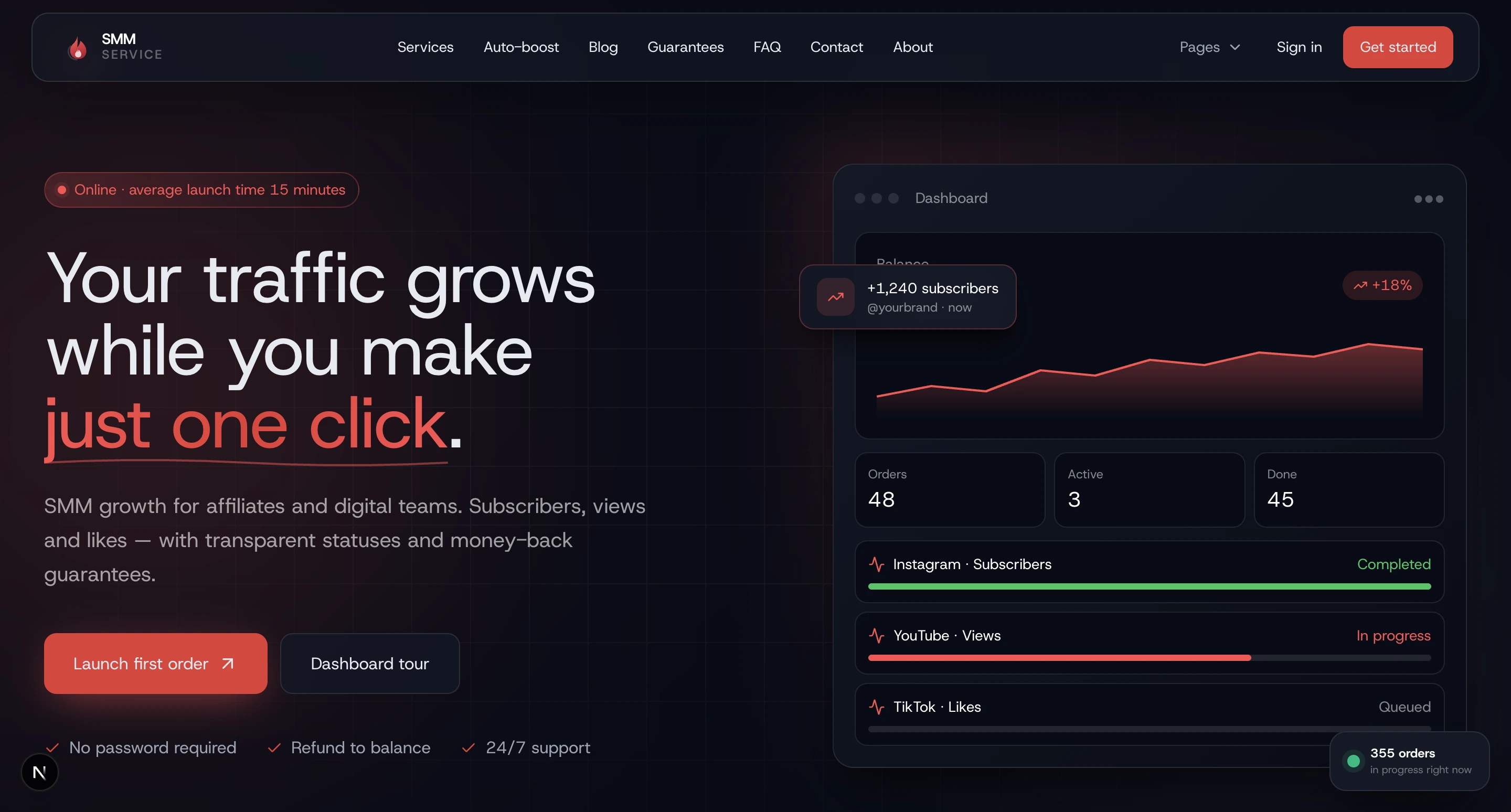
  3. 03Creator Marketing Platform  -  Engagement Services MarketplaceStartup EngineeringCreator Marketing Platform - Engagement Services MarketplaceEnd-to-end engineering for a multi-tenant creator marketing platform: Java Spring backend, Next.js dashboard, admin console, and a provider-aggregated catalog of 1,200+ services across thirteen platforms.Read plate
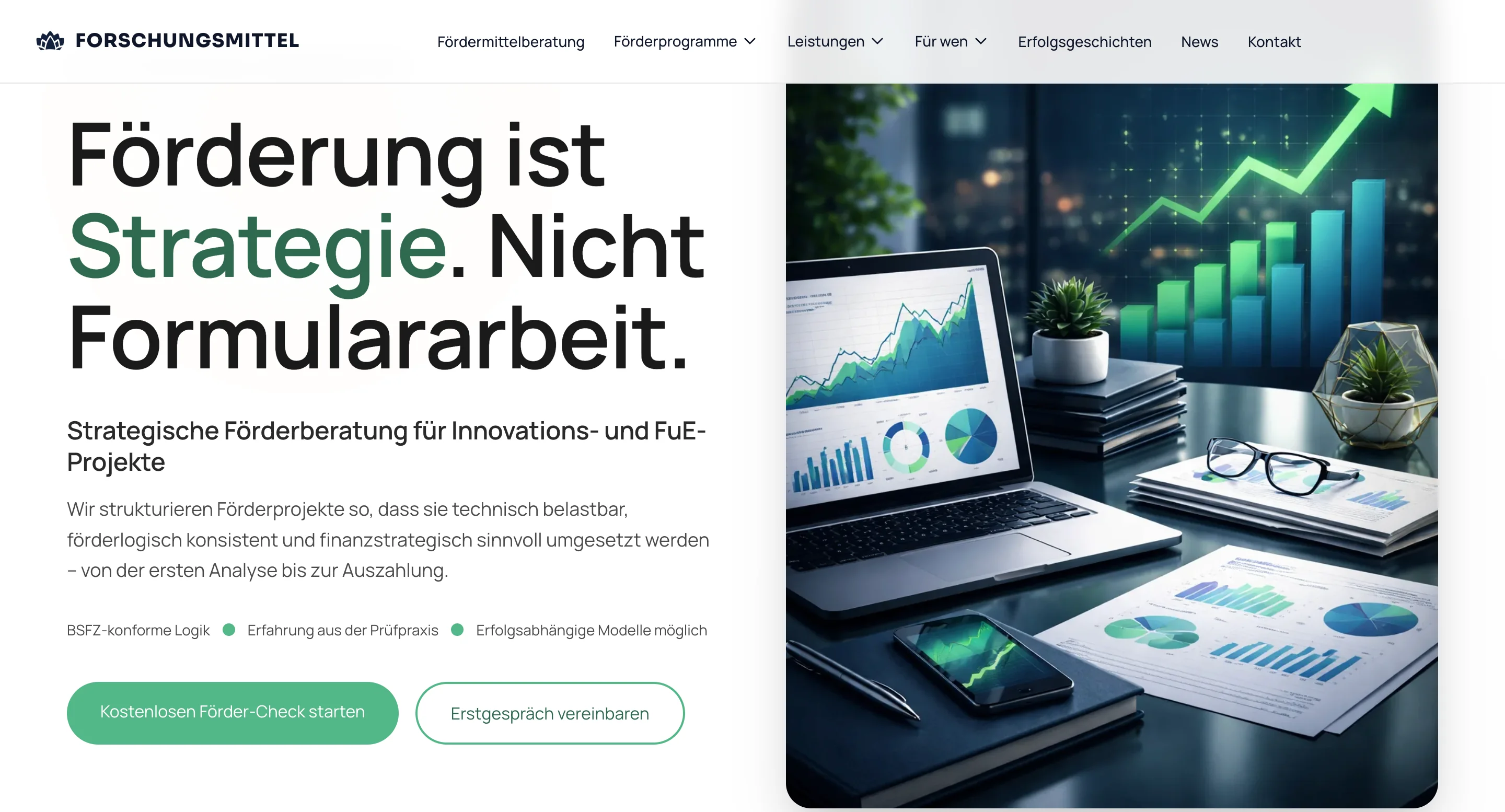
  4. 04Forschungsmittel.comDigital Experience & Brand SystemsForschungsmittel.comB2B funding website and connected product platform with client dashboard, team workspace, document workflow, and operational command center.Read plate
FAQ

FAQ

  1. A focused first release often takes 8–14 weeks. Larger business platforms with multiple roles, integrations, document flows or migration work are delivered in phases over 12–22 weeks, so the first useful version can ship while additional modules continue afterwards.

  2. The client owns the project deliverables according to the agreed contract and payment terms. We also prepare documentation, deployment flow and handover so the system can be maintained by your team or another technical partner if needed.

  3. An internal tool primarily supports your internal team. A client portal primarily gives external users secure access to selected information and actions. A custom platform is broader: it can combine customer-facing surfaces, internal operations, partner roles, workflow logic, documents, integrations and reporting in one owned system.

  4. Yes, where API access and project scope allow it. We can integrate with CRMs, ERPs, payment providers, analytics tools, document systems and internal databases. We define integration boundaries carefully so external tools do not create uncontrolled state inside the platform.

  5. Yes. Custom development does not require replacing every existing tool. We can keep CRM, ERP, document or payment systems where they work well, and build the controlled workflow layer, interfaces and integrations that your process is missing.

  6. Yes. Many custom software projects start when spreadsheets, Notion, Airtable, email threads or manual approvals become too fragile for daily operations. We map the workflow first, then decide what should be automated, structured or kept manual.

  7. Yes. We can modernise existing systems in phases instead of forcing a full rewrite. That can include rebuilding admin surfaces, replacing fragile modules, improving integrations, moving infrastructure or creating a cleaner data model while operations stay live.

  8. Yes. Documented environments, a release process, monitoring setup, runbooks and architecture notes are part of the deliverable — so the system can be operated by your team, supported by us, or handed to a future technical partner without lock-in.

Check whether your software build may contain an R&D component (Forschungszulage)
Need a more specific route?

If one of these describes the build more precisely, start there

Not a clean fit for any of these? That is exactly what this page is for — cross-functional platforms that span several of them at once.

Adjacent plates

Related services

  1. 01MVP development services for SaaS, portals and platformsMVP development services for SaaS, portals and platforms: backend logic, billing, admin workflows, deployment and clean ...Open
  2. 02Client Portals & Dashboard DevelopmentSecure client portals, admin dashboards and internal systems for teams that need role-based access, operational clarity ...Open
  3. 03Internal Tools Development & Operations SoftwareInternal tools, admin panels and back-office systems for companies whose operations have outgrown spreadsheets, no-code ...Open
Related articles

Keep reading from the blog.

More insights and best practices on this topic.

View all articles